Pesticide Safety Guide

Pesticide Safety Guide

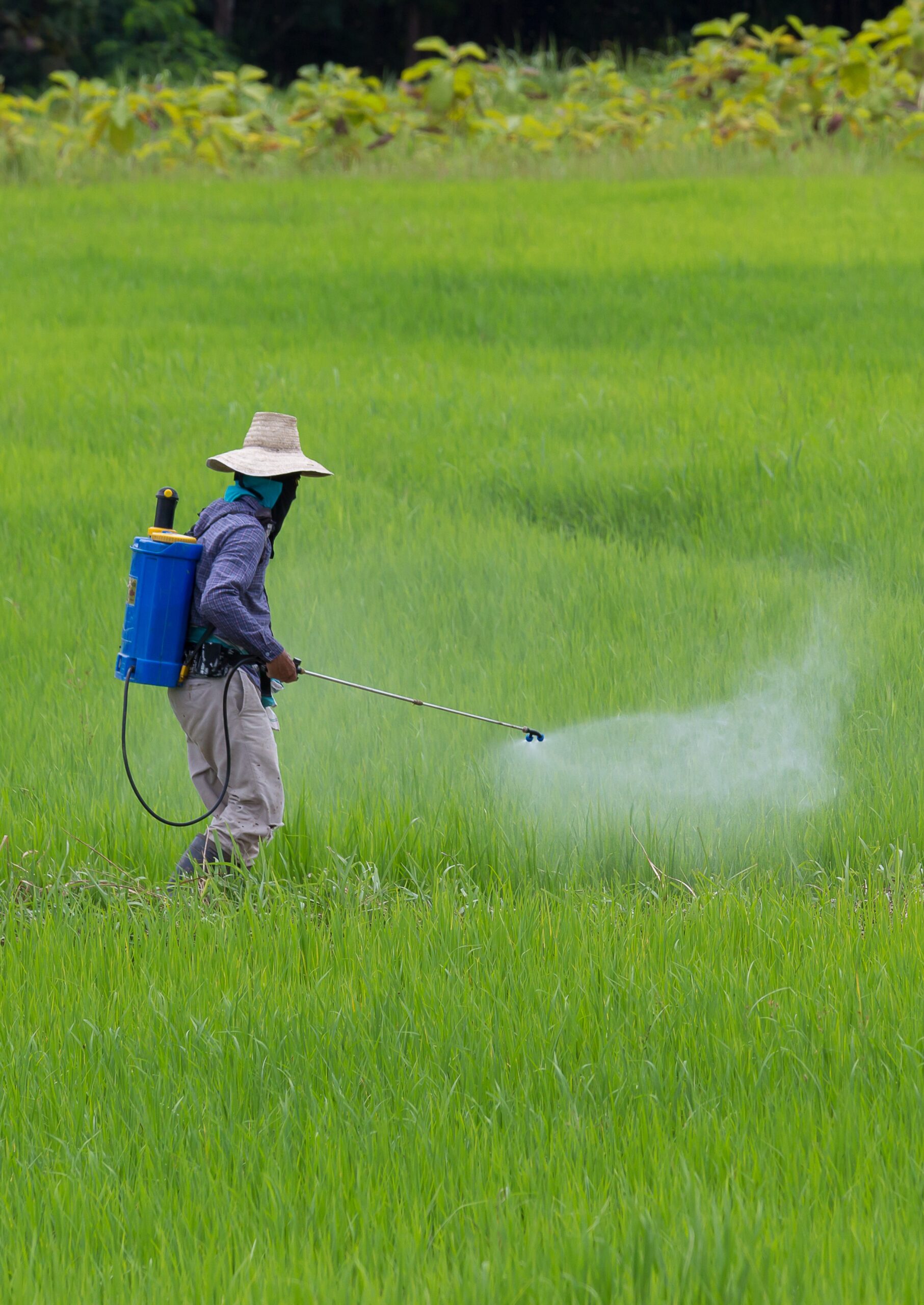
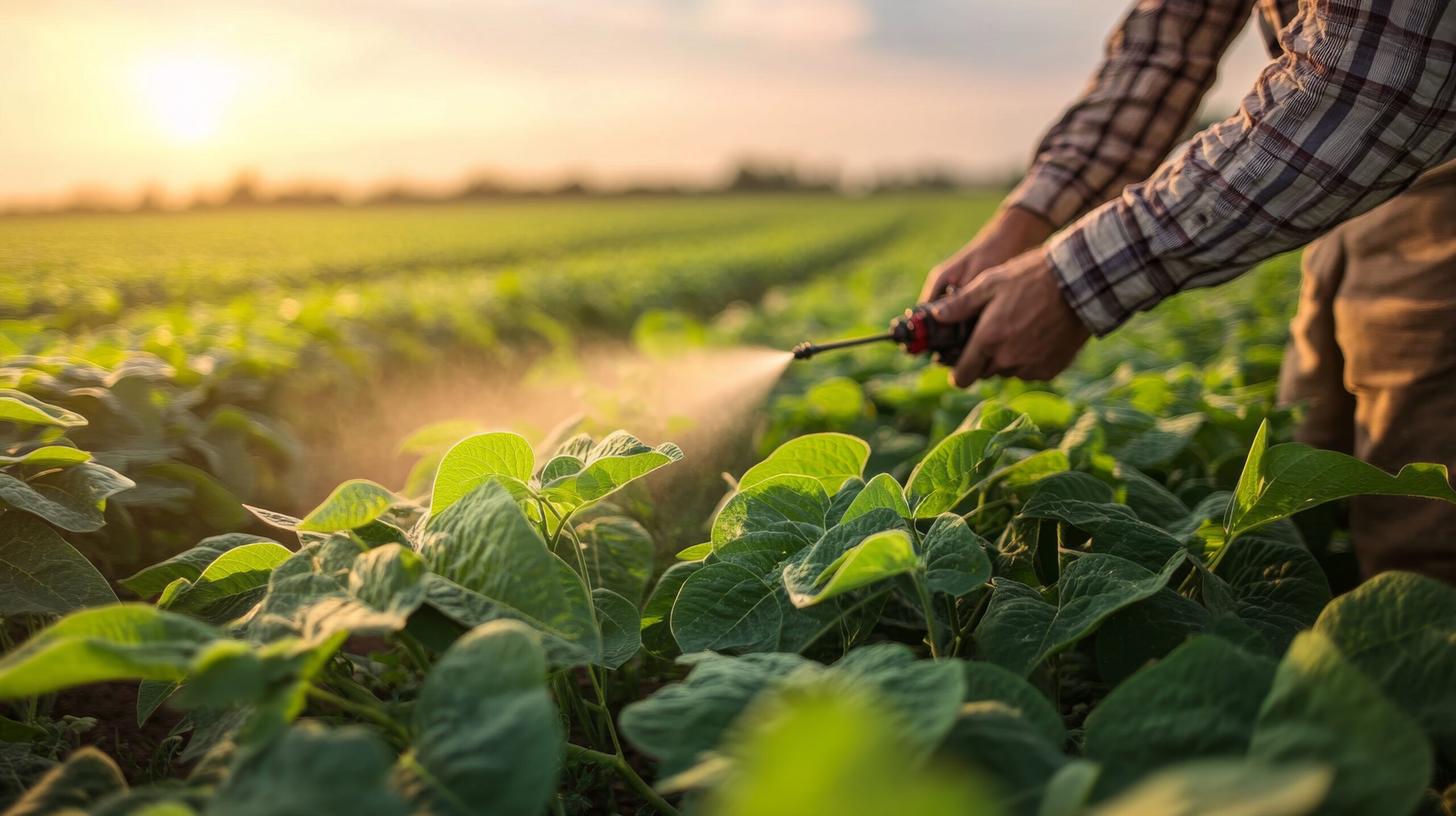
Proper protective equipment is essential when handling pesticides. It minimizes exposure risks and ensures safe and effective application.

Always select PPE based on hazard levels, environmental conditions, and application type.

Safety Compliance
94%
Protection Efficiency
95%

Understanding Hazard Classification Systems and Safe Handling Practices

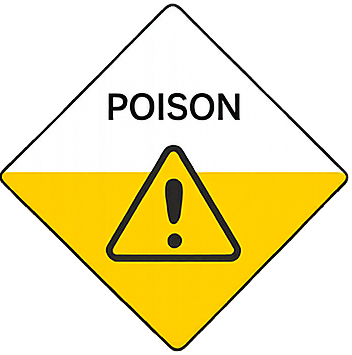
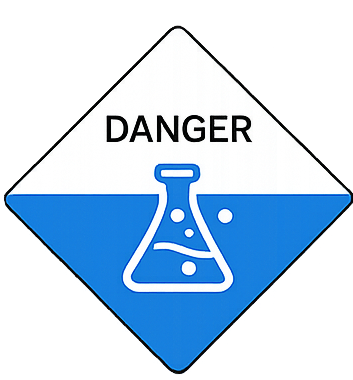
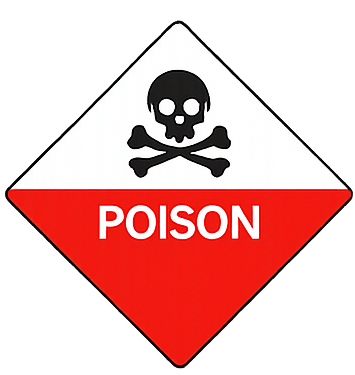
<div style="font-family: system-ui;">    <div style="font-size:20px; font-weight:700; color:#1f2937; letter-spacing:0.5px;">     DANGER/POISON   </div>    <div style="font-size:14px; color:#6b7280; margin-top:4px;">     Category I - Highly Toxic   </div>  </div>
DANGER/POISON
Category I - Highly Toxic

Can be fatal if swallowed, inhaled, or absorbed through skin. Requires certified applicator license.

Full protective equipment mandatory
Respiratory protection required
Restricted use pesticides
Skull and crossbones symbol

<div style="font-family: system-ui;">       <div style="font-size:20px; font-weight:700; color:#1f2937; letter-spacing:0.5px;">     WARNING   </div>        <div style="font-size:14px; color:#6b7280; margin-top:4px;">     Category II - Moderately Toxic   </div>   </div>
WARNING
Category II - Moderately Toxic

Harmful if swallowed, inhaled, or absorbed. May cause moderate eye and skin irritation.

Protective clothing required
Use in ventilated areas
General use with restrictions
Warning symbol required

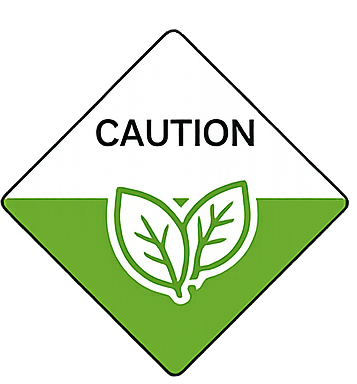
<div style="font-family: system-ui;">       <div style="font-size:20px; font-weight:700; color:#1f2937; letter-spacing:0.5px;">     CAUTION   </div>        <div style="font-size:14px; color:#6b7280; margin-top:4px;">     Category III - Slightly Toxic   </div>   </div>
CAUTION
Category III - Slightly Toxic

May be harmful if swallowed in large quantities. Low acute toxicity with basic precautions.

Basic protective equipment
Follow label instructions
General use approved
Minimal warning symbols

<div style="font-family: system-ui;">       <div style="font-size:20px; font-weight:700; color:#1f2937; letter-spacing:0.5px;">     CAUTION   </div>        <div style="font-size:14px; color:#6b7280; margin-top:4px;">     Category IV - Relatively Non-Toxic   </div>   </div>
CAUTION
Category IV - Relatively Non-Toxic

Relatively non-toxic to humans and animals. Lowest risk category with minimal restrictions.

Basic safety practices
Standard work clothing
Minimal restrictions
Low toxicity profile

Field Safety Protocol

Safe Application Process

Six essential steps for responsible, effective, and compliant chemical application in every field operation.

01
Step 01
Read the Label

Review all instructions, dosage guidelines, and hazard information thoroughly.

02
Step 02
Check Weather

Verify wind speed, temperature, and rainfall conditions are safe.

03
Step 03
Wear PPE

Put on gloves, eye protection, respirator, and full protective coveralls.

04
Step 04
Mix Safely

Prepare chemicals in a ventilated area using precise, label-specified ratios.

05
Step 05
Apply Correctly

Maintain correct nozzle pressure and stay upwind to prevent spray drift.

06
Step 06
Decontaminate

Rinse equipment, wash exposed skin, and dispose of containers responsibly.

Never Skip the Label

Labels are legal documents. Missing instructions can result in crop damage, fines, or safety incidents.

Ideal Conditions

Apply early morning or late afternoon. Wind under 15 km/h, temperature below 30°C, no rain in 4 hours.

Post-Application Record

Log date, product, batch number, quantity, and field location after every application for compliance.

Standard Operating Procedure

Best Practices Checklist

Follow these structured checklists at every stage of pesticide handling to ensure safety, compliance, and effectiveness.

1

Pre-Application Planning

  • Read and understand the entire pesticide label
  • Check weather conditions — wind under 10 mph
  • Calculate proper mixing ratios in advance
  • Inspect and calibrate all equipment
  • Notify workers and neighbours before starting
2

Safe Mixing & Loading

  • Mix only in well-ventilated areas
  • Add water to tank first, then pesticide
  • Use proper calibrated measuring tools
  • Install back-siphon prevention devices
  • Keep spill cleanup materials within reach
3

Application Safety

  • Maintain correct and consistent spray pressure
  • Monitor wind speed continuously during application
  • Use drift-reducing nozzles at all times
  • Respect all buffer zones and legal setbacks
  • Document every application with full details
4

Post-Application Care

  • Remove and decontaminate all PPE safely
  • Triple-rinse all equipment after use
  • Dispose of empty containers as per regulations
  • Post restricted entry interval signs in field
  • Monitor the area for any adverse effects
Critical Response

Emergency Procedures

In the event of chemical exposure, act immediately. Every second matters — know these steps before you start any application.

Response · 01

Eye Contact

Flush eyes with clean water for 15–20 minutes. Remove contact lenses if present. Seek immediate medical attention.

Response · 02

Skin Contact

Remove contaminated clothing immediately. Wash skin with soap and water for 15–20 minutes. Seek medical attention if irritation persists.

Response · 03

Inhalation

Move to fresh air immediately. Administer oxygen if breathing is difficult. Call emergency services or Poison Control at once.

Response · 04

Ingestion

Do NOT induce vomiting unless instructed by a professional. Rinse mouth with water. Call Poison Control immediately with the product label.

Response · 05

Chemical Spills

Contain the spill and prevent spread to water sources. Use absorbent materials. Dispose of all contaminated materials as hazardous waste.

Response · 06

Fire / Explosion

Evacuate the area immediately and call the fire department. Do not re-enter contaminated zones without proper breathing equipment.

Emergency Contact Information

Save these numbers before starting any application. In an emergency, call immediately — do not delay treatment while searching for contact details.

112 National Emergency
1800-116-117 Poison Control India
108 Ambulance
Let’s Grow Together

Have questions or need expert advice on crop protection? Contact our experts today!

Connect with us

Get in Touch

WeWork Embassy Galaxy Business Park, A-44 & 45  Sushil Marg, Block A, Industrial Area, Sector 62, Noida, Uttar Pradesh 201309

info@vinamraindustries.com

+91 7302704963

Don't miss our future updates! Get subscribed today!

Copyright ©2025 Vinamra. All Rights Reserved : ISO 9001:2015 Certified